

















Spill the tea on STI’s - A collaborative survey with ATMS & Project Gender 2024/ 2025

With the help of Project Gender, ATMS surveyed 1518 New Zealanders in December of 2024 about their experiences with STIs, STI testing, condom use and social stigma around safer sex practices. This was an online survey distributed to our database and via social media.
Survey background & methods
We used a mixed-method survey using quantitative & qualitative research methods to understand the experiences of a diverse range of respondents across New Zealand. The study involved a self-reported questionnaire about STIs, STI testing, condom use & stigma and shame associated with STIs. The study aims to normalize conversations around safer sex and STIs, encouraging safe sex practices as an essential part of our sexual wellness.
Our respondents ranged in age from 18 to 70.
STI state of the nation in Aotearoa New Zealand
According to the Institute of Environmental Science and Research (ESR), rates of STIs are on the rise across New Zealand. There are currently:
- Over 28,400 reported cases of chlamydia.
- Over 7800 reported cases of gonorrhoea.
- There was a 45% increase in reported syphilis cases with over 750 reported.
Source:
ESR: Sexually Transmitted Infections in New Zealand Supplementary Annual Surveillance Report 2023.
01. STI testing by the numbers
Unfortunately, the testing rates aren’t looking too good. And there’s one group that is seriously letting the team down. Straight men.
71% of respondents reported having been tested for an STI. For straight men, 47% of respondents said they had never been tested, and 90% are not getting tested regularly. By contrast, women are four times as likely as straight men to be tested regularly.
And this gap is even larger for those aged 35+: 36% of women over 35 are getting regular STI tests, compared to only 7% of straight men.
When did they last get tested?
According to current guidelines in New Zealand, sexually active people should be tested for an STI at least once every 12 months, and every 3 – 6 if they have multiple partners or new partners. So how are we stacking up against the guidelines?
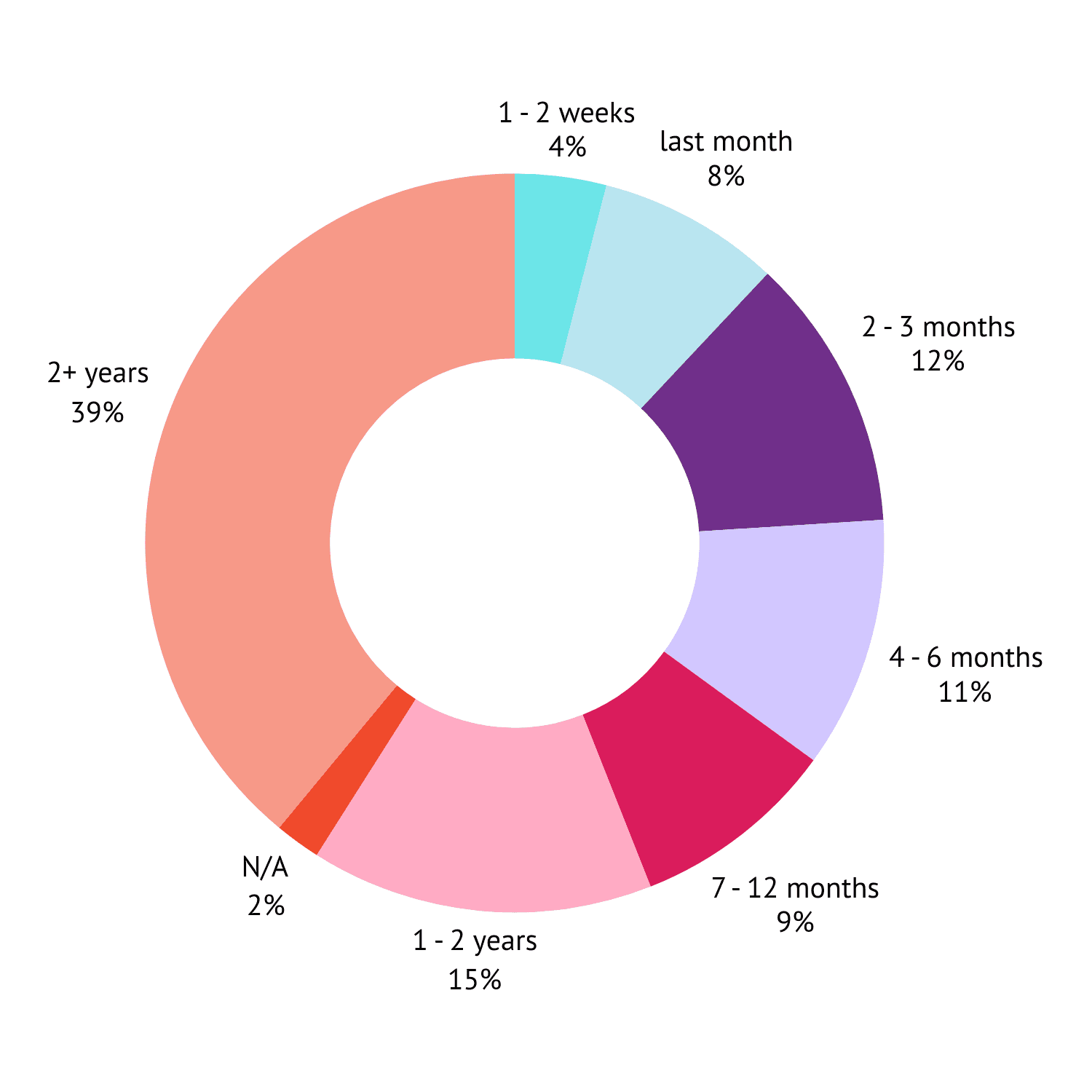
- 4% of respondents had been tested in the last 1 – 2 weeks.
- 8% of respondents had been tested in the last month.
- 12% of respondents had been tested in the last 2 – 3 months.
- 11% of respondents had been tested in the last 4 – 6 months.
- 9% of respondents had been tested in the last 7 – 12 months.
- 15% of respondents had been tested in the last 1 – 2 years.
- 39% of respondents had been tested over 2 years ago.
We are not being tested enough, with only 44% of respondents getting tested within the last 12 months. Because of our low testing rates, we can assume that the rates of STIs will be higher. Without regular testing, many cases will go unreported.
02. STI education
STI education is so important to ensure that people know when to get tested, what a test entails, how to treat STIs, and of course, how to prevent STIs in the first place. When it comes to STI and prevention information, 64% of respondents get their information from their GP, but increasingly people are finding this information online too.
17% get STI information from online magazines (like Women’s Health, Men’s Health & Cosmopolitan), 6% get information from podcasts and blogs and 18% get information from social media. For younger folks, it’s even higher, with 32% of respondents accessing STI information from social media.
Although testing numbers are low across the board, 78% of respondents felt they knew enough about common STI symptoms to know when to get tested. 12% said they didn’t know enough and 10% said they weren’t sure.
03. STI testing
The way that people test may be changing. 59% of respondents say they get tested at their GP and 37% say they get tested at a sexual health clinic. However, 4% of respondents say they use at-home test kits with 1% purchasing those at a pharmacy and 3% buying their tests online.
You can buy an Ettiekits testing kit from Adulttoymegastore and take the test in the privacy of your own home.
04. Comfort with STI testing
It seems that the number may rise over the next few years as at-home tests become more common as our respondents reported buying an at-home test to be the least awkward option when it comes to getting tested.
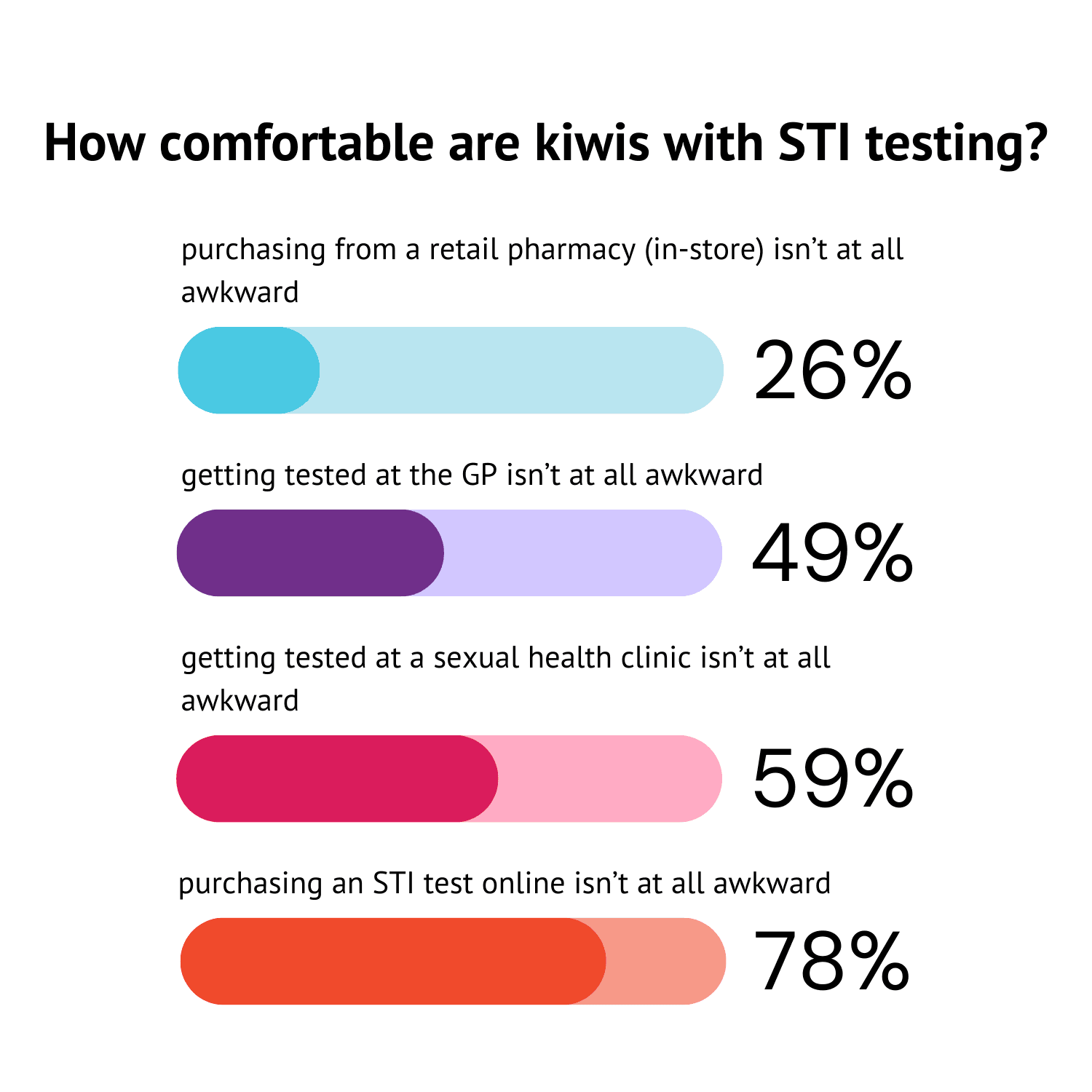
- 78% of respondents said that purchasing an STI test online isn’t at all awkward.
- 59% of respondents said that getting tested at a sexual health clinic isn’t at all awkward.
- 49% of respondents said that getting tested at the GP isn’t at all awkward.
- 26% of respondents said that purchasing from a retail pharmacy (in-store) isn’t at all awkward.
- 9% reported feeling awkward talking about STIs at a sexual health clinic.
- 11% reported feeling awkward talking about STIs with their sexual partner.
- 13% reported feeling awkward talking about STIs with their GP.
- 16% reported feeling awkward talking about STIs with their friends.
- 13% report always using a condom during sex.
- 14% report usually using a condom during sex.
- 12% report sometimes using a condom during sex.
- 20% report rarely using a condom during sex.
- 34% report never using a condom during sex.
- 5% of respondents reported being embarrassed to buy condoms.
- 7% of respondents reported the cost of condoms.
- 8% of respondents reported a latex allergy.
- 8% of respondents reported struggling to find a condom that fits.
- 14% of respondents reported their partner refused to use a condom.
- 26% of respondents reported reduced sensation with a condom.
- 41% of respondents reported sex feels better without a condom.
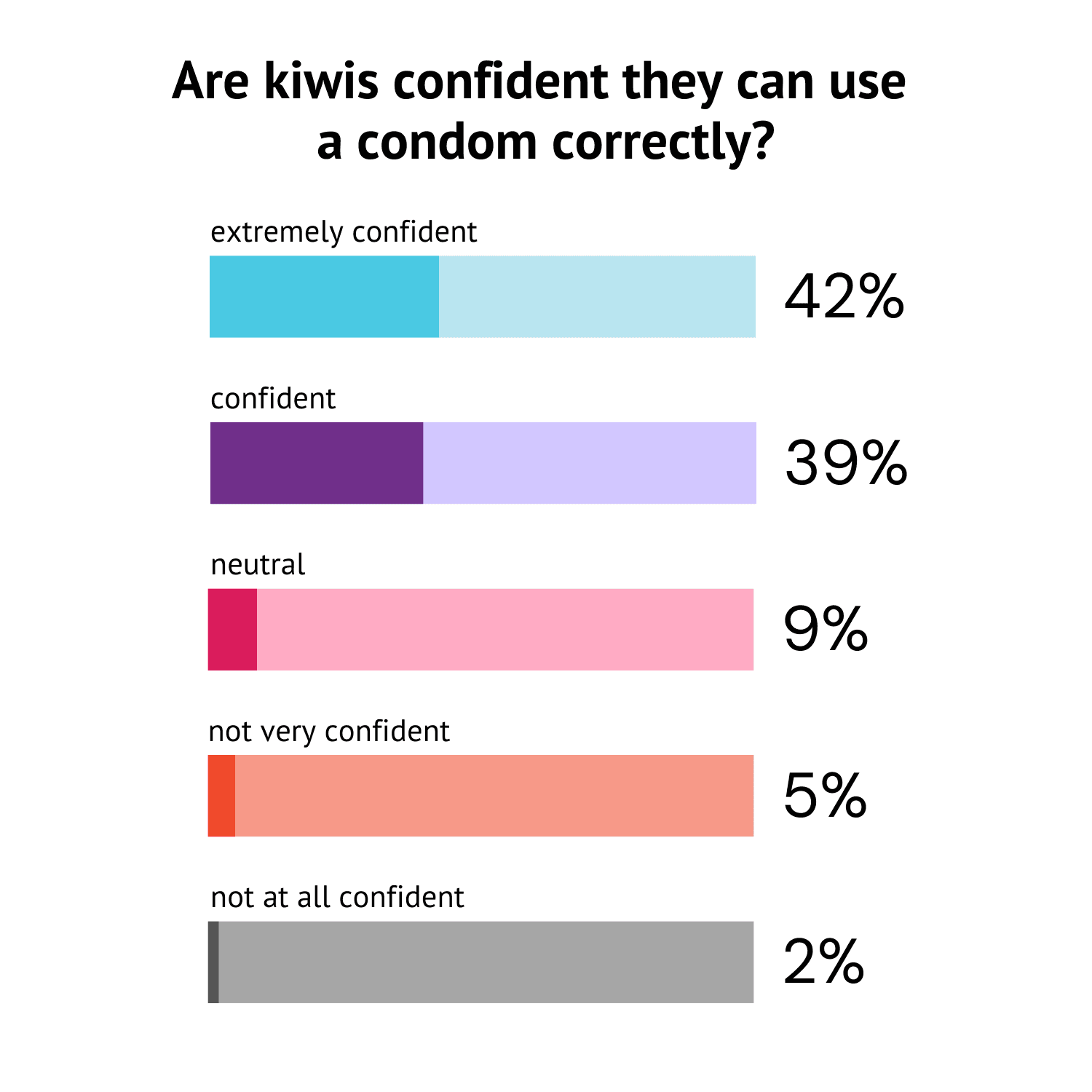
- 42% of respondents were extremely confident.
- 39% of respondents were confident.
- 9% of respondents were neutral.
- 5% of respondents were not very confident.
- 2% of respondents were not at all confident.
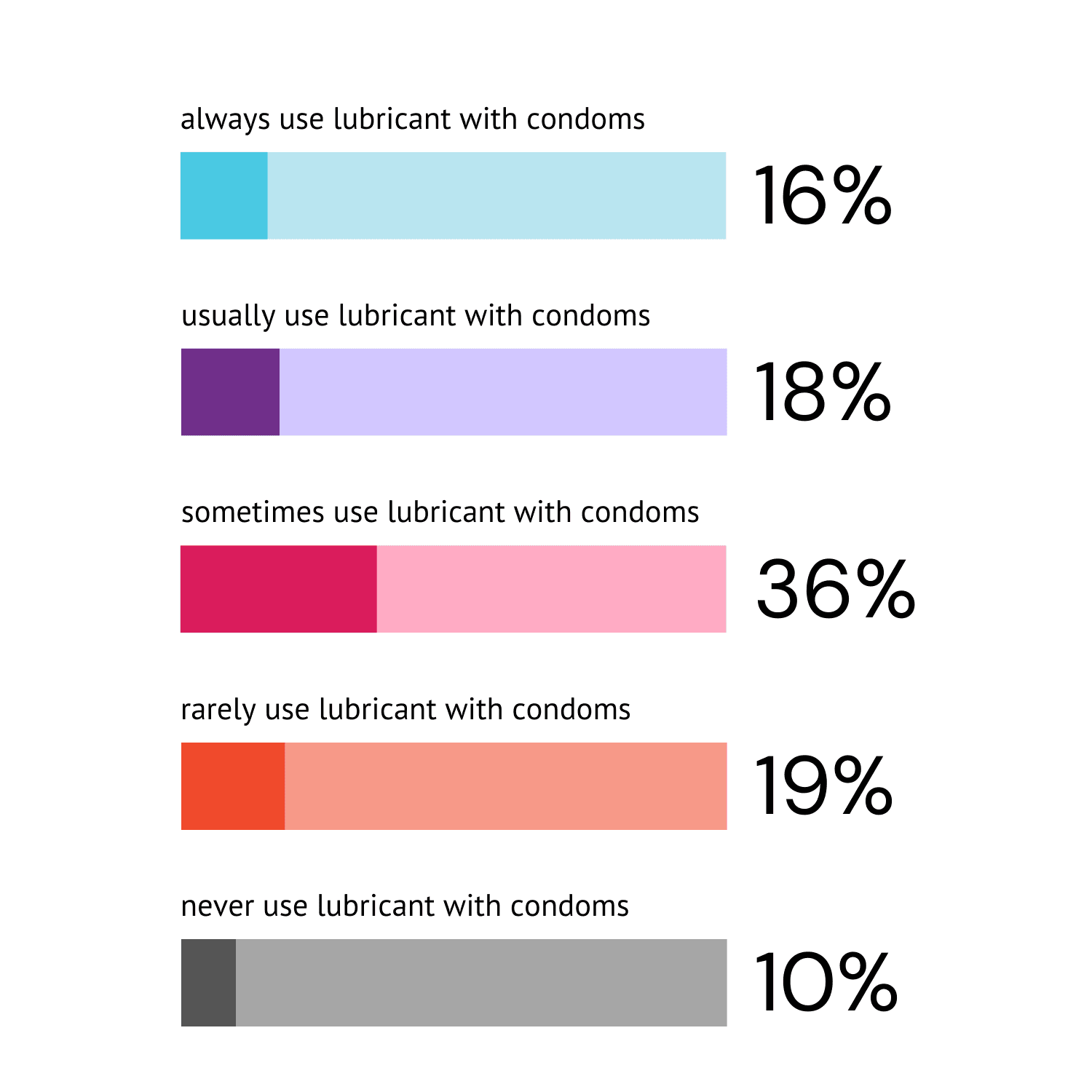
- 16% of respondents report always using lubricant with condoms.
- 18% of respondents report usually using lubricant with condoms.
- 36% of respondents report sometimes using lubricant with condoms.
- 19% of respondents report that they rarely use lubricant with condoms.
- 10% of respondents report never using lubricant with condoms.
- Condoms 101: the ATMS guide to condom types, sizes & preventing breakage
- Are flavoured condoms safe to use for penetrative sex?
- Is my lube giving me a UTI? Lubricant types & urinary tract infections
05. Is STI stigma still a problem for kiwis?
The stigma around STIs and STI testing is one of the biggest barriers to regular testing and open communication about STIs. 66% of respondents agree that there is social stigma attached to getting tested for an STI and 88% of respondents agree there is a stigma attached to testing positive for an STI.
Respondents who have tested positive for an STI often faced shame and judgement when they told people about it. For those that currently have an STI, 35% were shamed by someone they told, and 7.2% said they didn’t tell anyone.
How we talk about STIs matters
Respondents reported that they experienced verbal abuse, name calling and teasing when they told people about a positive STI status. This kind of reaction causes hesitation in getting tested in the first place and communicating about test results with partners, hookups and medical professionals.
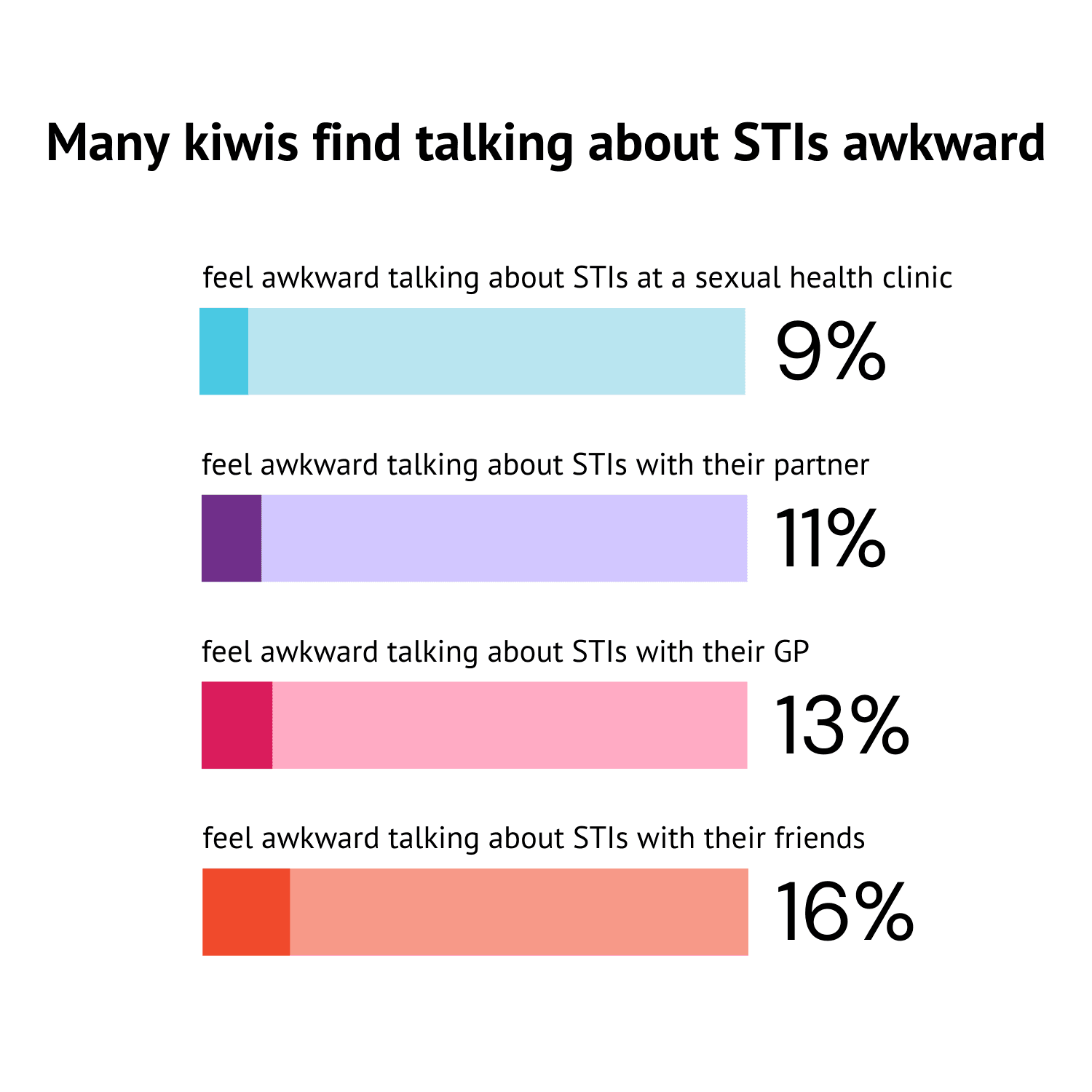
For those that are STI positive, talking about an STI is even more awkward.
58% reported feeling awkward talking about testing positive with a sexual partner and 52% reported feeling awkward talking about testing positive with friends. Awkwardness can lead to hesitation in getting treatment or discussing their status with sexual partners which can result in more transmission.
06. Safer sex practices
Condoms are the best defense we have to prevent the transmission of STIs between sexual partners. However, our research found that condom use is relatively low with 54% of respondents reporting they never or rarely use condoms.
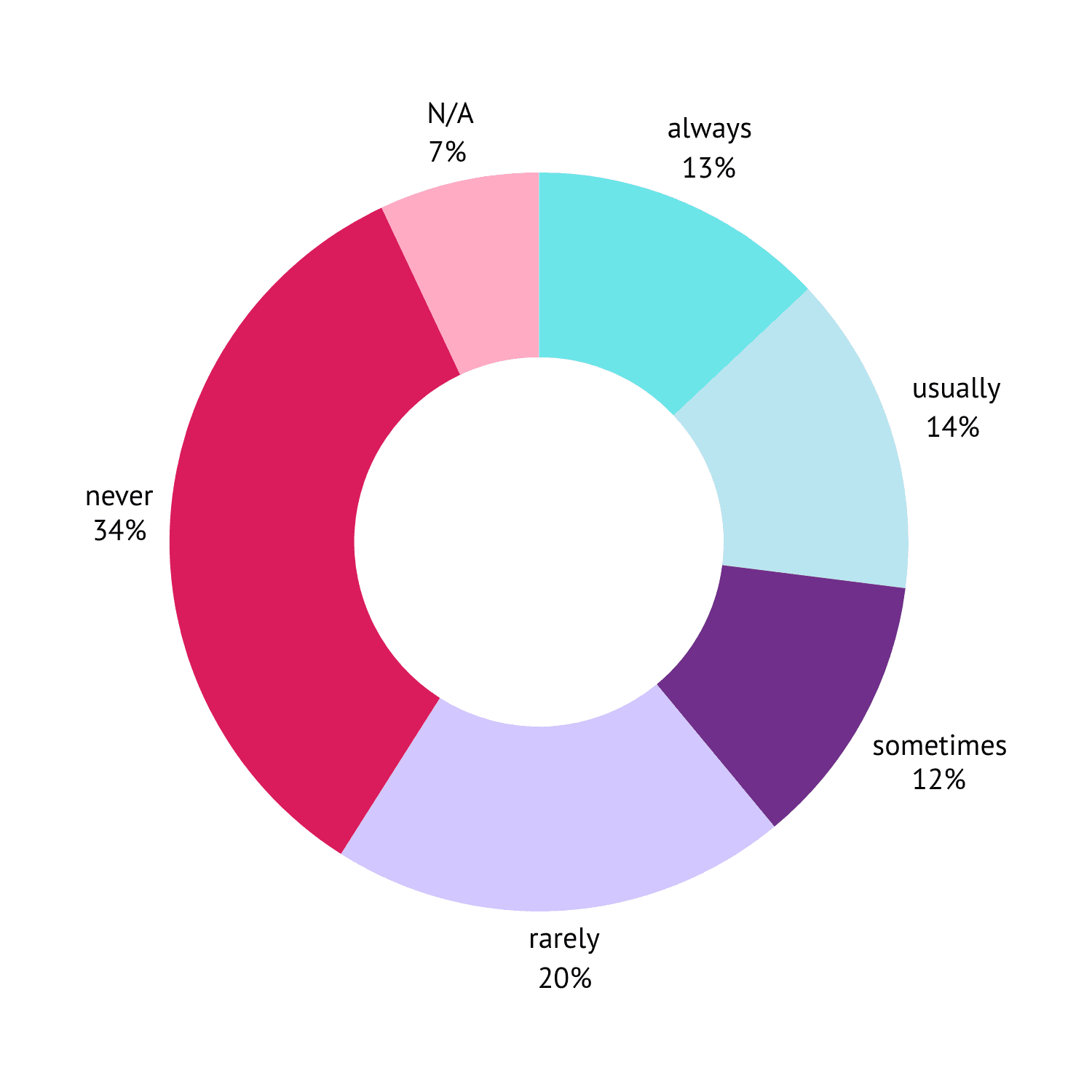
Over 45s were more likely to report never or rarely using a condom (64%), while under 30s were least likely to never or rarely use a condom (46%).
Note: our research did not look at those in a monogamous relationship vs those with multiple sexual partners. We also didn’t look at those in long-term relationships vs those in casual relationships. This is an area for further research and likely a predictor of the different condom usage across ages.
What prevents people from using a condom?
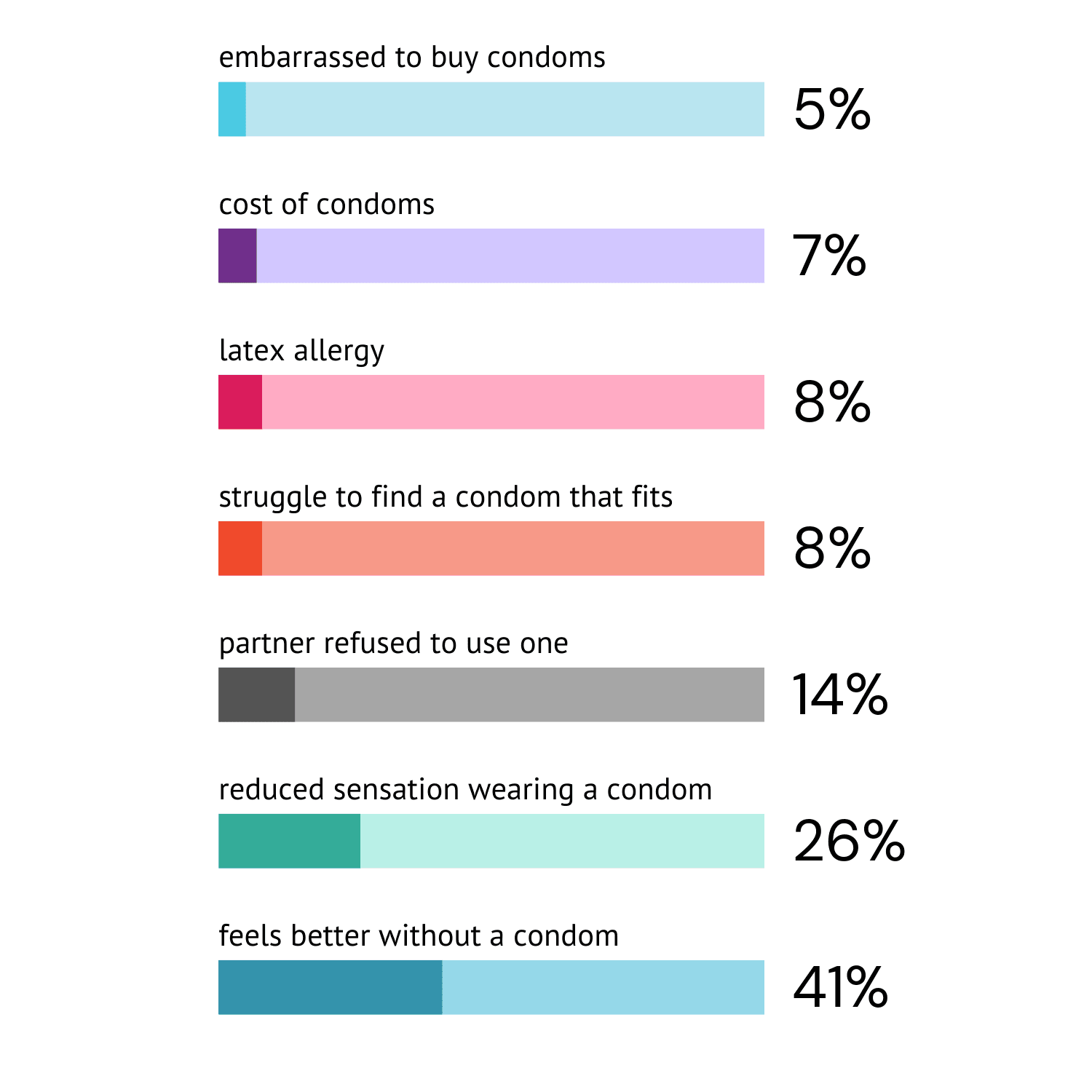
21% of women reported that their partner had refused to use a condom vs 7% of men said the same. This is a troubling number knowing that men are also less likely to get tested for an STI.
07. Condoms & pleasure
60% of respondents reported that condoms reduce sensation during sex and as we know from the research, this can prevent people from using condoms. 53% of women reported that condoms reduce sensation vs 69% of men.
In many cases, the reduced sensation from condoms is caused by using a condom incorrectly. Either wearing a size that is too small causing restriction, or too large causing the condom to feel baggy and move during use. The other big indicator of reduced sensation is not using adequate lubrication. Water-based or silicone lubricant should be used every time with a condom to prevent the condom from tearing and increase sensation.
Read more: Condoms 101: the ATMS guide to condom types, sizes & preventing breakage
We asked our respondents how confident they were with their ability to put on and use a condom correctly. The majority felt confident with 80% saying they were either confident or extremely confident about their ability to do so.
But what about lube?
Unfortunately, the number of people using lubricant with condoms is worryingly low and people might not be as good at using condoms as they believe. A lack of lubrication greatly increases the risk of condoms tearing and can cause a reduction in sensation for both partners.
Is this due to a lack of education?
It might be. We asked whether our respondents have ever been told to use lubricant with a condom by a doctor, nurse, teacher, pharmacist or other healthcare provider. 28% of respondents said they had been told, 47% said they hadn’t been told and 21% couldn’t recall either way.
Women were more likely than men to have been told to use lubricant with a condom. 31% of women said they had been told, whereas only 25% of men responded the same.
However, education about the importance of lubricant with condoms may be increasing. Respondents under 30 years old were most likely to have been told to use lubricant with condoms (32%), whereas respondents over 45 were the least likely (24%).
Top Tip: Lubricant should be applied to the outside of the condom as well as a few drops inside the condom to increase sensation for the wearer.
Survey Summary
This survey highlights the importance of fostering open discussions about STIs, testing and safer sex practices. When there is stigma around these topics, people are less likely to get tested regularly or pass on information about a positive test to sexual partners. Both of which increase the transmission of STIs within the community.
There is also a need for more information about condom use and the importance of using adequate lubrication to prevent tearing and increase pleasure for all partners.
Read next:
Content disclaimer:
Adulttoymegastore does not provide medical advice, diagnosis, or treatment for illness. Any information published on this website, either by Adulttoymegastore or its authors, is not intended to be a substitute for medical advice, and you should not take any action before consulting with a medical professional.